What Are Casement Windows?
A casement window is a window style that is mounted on hinges along one side or at the top of the frame. Instead of sliding, it swings open either outward or inward. Most casement windows are operated using a crank handle that folds away neatly when not in use. Some models also use smooth sliding operators that make opening and closing the window feel as simple as adjusting a light dimmer.
Not every casement-style window is designed to open. Some are built with what is known as a dummy sash, which gives the appearance of an operable casement window while remaining fixed in place.
Top-hinged casement windows are often referred to as awning windows. Depending on the design, Hanse casement windows can be hinged either at the side or the top, providing flexibility for different architectural needs.
How Casement Windows Compare With Other Window Styles
Homeowners today can choose from many different window designs, including bay windows, sliding windows, gable windows, and sash windows. Each style differs in three main ways:
-
How the window opens
-
The overall visual style
-
The amount of space (or aperture) required
Casement windows stand out because they open fully outward, allowing maximum airflow and unobstructed views.
Casement Windows vs. Sash Windows (Double Hung Windows)
The biggest difference between casement windows and sash windows is how they open.
Sash windows typically contain two glass panels positioned vertically within the frame. One pane slides over the other to allow airflow. In most designs, the lower sash moves up and down, although some models allow both sashes to move.
Casement windows, on the other hand, swing open like a door. This design often creates a tighter seal when closed, helping reduce drafts and improving energy efficiency.
Sliding Windows vs. Casement Windows
Sliding windows operate by moving glass panels horizontally along a track. In this way, they resemble sash windows because the panels slide across each other.
While the term “sliding window” is sometimes used interchangeably with sash windows, the key distinction is the direction of movement—horizontal instead of vertical.
Casement windows differ because they do not slide at all. Instead, they swing open from a hinge, providing a wider opening for ventilation.
What Materials Are Best for Casement Windows?
Casement windows are available in several frame materials, each offering different benefits in terms of durability, maintenance, and price.
Common materials include:
-
Aluminum
-
uPVC
-
Wood
-
Composite materials
-
Metal
The material you choose will affect the window’s lifespan, maintenance needs, and overall cost. Many modern homeowners prefer aluminum because it combines durability with sleek design and minimal upkeep.
What Sizes Are Available?
Hanse offers casement windows in a variety of sizes designed to fit different architectural layouts.
Because every home is different, many windows can be custom manufactured to match the dimensions of the opening. This ensures the window fits perfectly while maintaining its performance and visual appeal.
Types of Casement Windows
While all casement windows share a similar basic structure, several variations exist based on how they open and how they are used.
Here are the most common types.
Side-Hinged Casement Windows
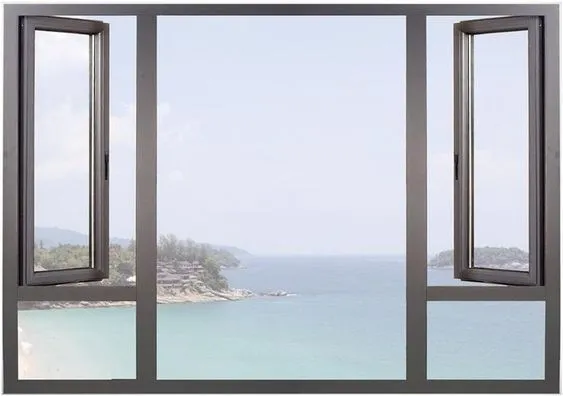
Side-hinged casement windows are attached to the frame along one vertical side. They swing inward or outward like a door, allowing plenty of fresh air into the room.
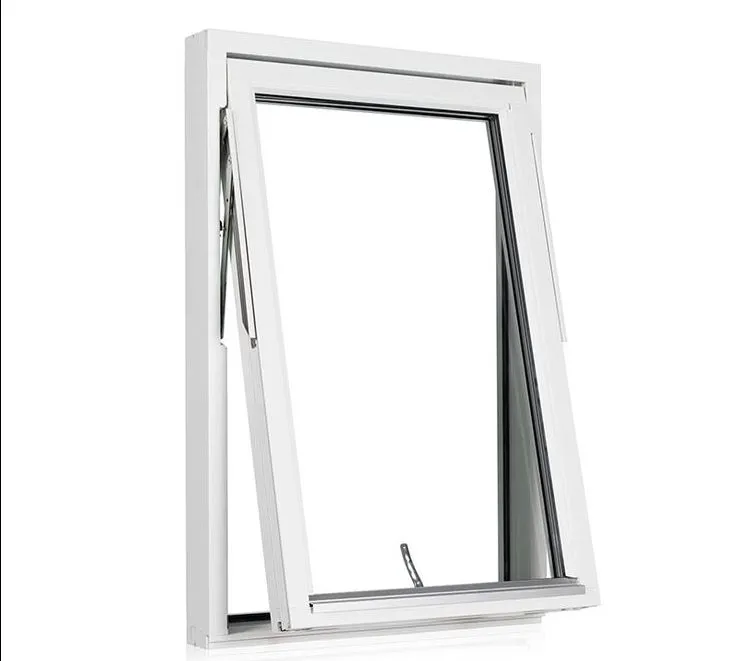
Top-Hinged Casement Windows
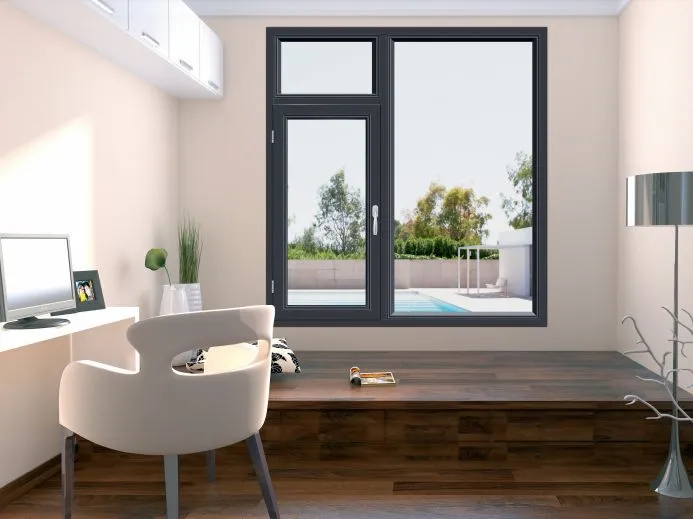
Top-hinged windows are mounted at the top of the frame and typically open outward. These windows are often used in combination with side-hinged designs, creating a stacked window system with multiple ventilation options.
Mock Sash Casement Windows
A mock sash window looks like a traditional casement window but does not open. The upper section remains fixed, creating the visual appearance of a top-hinged sash without the moving mechanism.
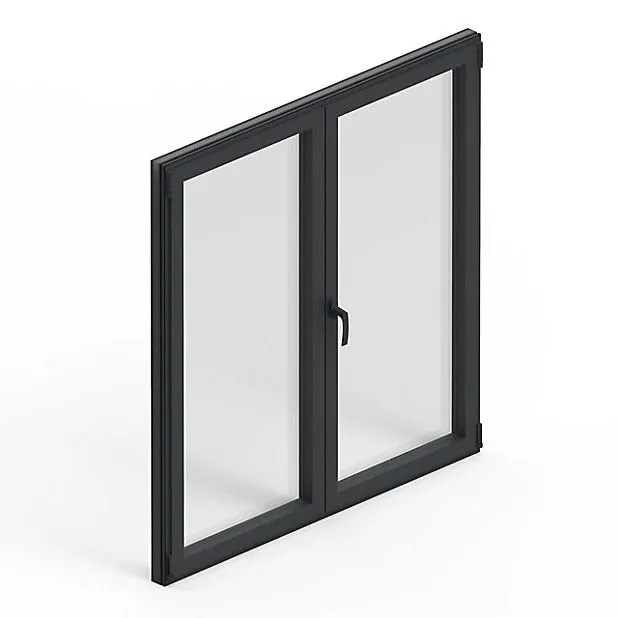
Fixed Casement Windows
Fixed casement windows remain permanently closed. They are often installed alongside operable windows to maintain a consistent design while maximizing natural light.
Some fixed designs include decorative replica sashes so they visually match surrounding operable windows.
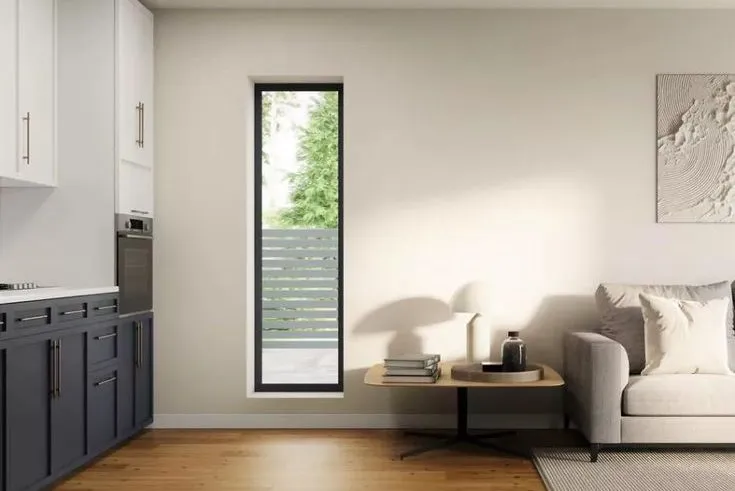
Fixed Casement Windows
Fixed casement windows remain permanently closed. They are often installed alongside operable windows to maintain a consistent design while maximizing natural light.
Some fixed designs include decorative replica sashes so they visually match surrounding operable windows.
Design Styles
Casement windows can be adapted to many architectural styles, from traditional homes to contemporary buildings.
Traditional Casement Windows
Traditional casement windows often feature wooden frames and decorative glazing bars that divide the glass into smaller sections. These windows are sometimes referred to as French casement windows.
Although glazing bars can slightly reduce the view, they provide an authentic look that complements historic or period-style homes. Modern materials such as aluminum can also be finished with woodgrain textures to achieve a classic appearance.
Modern Casement Windows
Modern casement windows usually eliminate glazing bars to create larger uninterrupted panes of glass. This allows for better views and a cleaner architectural style.
Most contemporary designs use aluminum or modern timber frames, combining advanced engineering with sleek aesthetics. Hanse casement windows are an excellent example of this modern approach.
Georgian-Inspired Designs
Traditional Georgian architecture is known for its distinctive grid-patterned windows.
While Georgian homes typically feature sash windows, a similar look can be recreated with casement windows using glazing bars arranged in a grid pattern. Modern glazing technology allows homeowners to maintain this classic appearance while improving insulation and soundproofing.
Casement vs. Awning Windows
Awning windows are essentially a variation of casement windows.
The main difference lies in the hinge placement:
-
Casement windows: Hinged on the side
-
Awning windows: Hinged at the top
Side-hinged windows allow stronger airflow because they can open fully. Awning windows, however, are particularly useful during light rain because they can remain partially open while preventing water from entering.
In many homes, awning windows are used in bedrooms or upper floors, while side-hinged casements are more common in living areas.
Casement Windows vs. Sash Windows
Sash windows sometimes struggle with airtightness due to the sliding mechanism between the two panes. Over time, seals can deteriorate, allowing drafts and moisture to enter.
Casement windows generally provide better weather resistance because the sash presses firmly against the frame when closed.
For homeowners who prefer the traditional appearance of sash windows, mock sash casement windows offer a similar look while reducing the risk of drafts.
Hanse offers nearly 150 RAL colors and finishes, allowing homeowners to achieve the desired aesthetic without sacrificing performance.
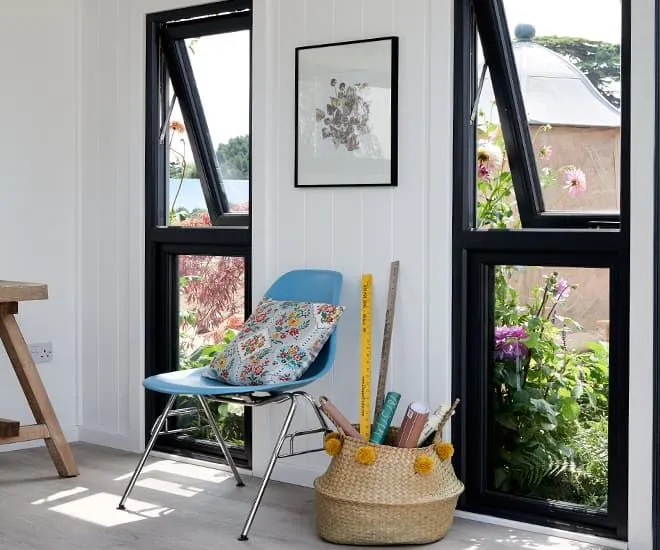
Custom Casement Windows
Hanse can manufacture windows tailored to individual project requirements, adjusting both size and appearance.
Typical maximum dimensions include:
-
Side-hinged windows: up to 1000 mm wide × 1800 mm high
-
Top-hinged windows: up to 1500 mm × 1500 mm
Custom glazing options are also available to suit specific architectural needs.
Color Options
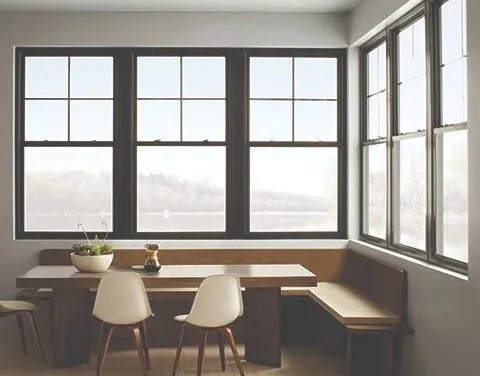
Hanse casement windows are available in more than 150 RAL colors, allowing homeowners to perfectly match the windows with the rest of their property.
Popular options include:
-
Contemporary greys
-
Deep blacks
-
Natural woodgrain finishes
These finishes are designed to complement both modern and traditional homes.
Main Components of a Casement Window
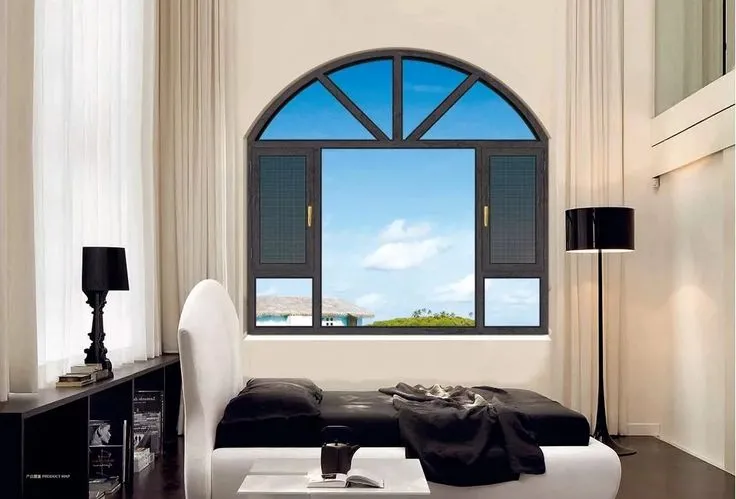
Casement windows consist of several essential components that work together to provide smooth operation and secure locking.
Sash
The sash is the main structural component that holds the glass and connects to the frame. It swings open or closed depending on the hinge placement.
Keeper
The keeper is the part that receives the locking hook from the window handle, ensuring the sash remains securely closed.
Hinges
Hinges allow the window sash to pivot. In most casement windows, they are installed on one side of the frame or at the top.
Handle
The handle operates the window mechanism. Turning it allows the window to open or close smoothly.
Locking Cam
The locking cam secures the window in place when closed. Depending on the design, the cam may be located in the center or near the bottom of the window.
What Do Hanse Casement Windows Offer?
Advanced Thermal Performance
Hanse casement windows include specially designed thermal breaks that reduce heat transfer across the frame.
Performance ratings include:
-
Double glazing: U-Value of 1.3 W/m²K
-
Triple glazing: U-Value of 0.9 W/m²K
Advanced aerogel insulation technology can further improve performance. Aerogel—commonly used in aerospace applications—has extremely low thermal conductivity.
With aerogel integration, Hanse windows can achieve:
-
Energy Rating: A++
-
U-Value: as low as 0.8 W/m²K
Durable Powder-Coated Finishes
Hanse frames are powder-coated for long-lasting durability. The finish provides excellent resistance to corrosion, fading, and weather exposure.
Dual-color frame options and realistic woodgrain finishes are also available.
Flush Frame Design
Hanse windows are engineered with flush internal and external frames, meaning the frame sits level with the glass rather than protruding outward. This creates a clean and modern aesthetic.
High-Level Security
Security is a key feature of Hanse casement windows.
Features include:
-
Heavy-duty stainless steel hinges
-
Optional hinge guards to prevent forced entry
-
Secure crimped frames
-
Locking handles and multi-point locks
These components are tested to withstand more than 50,000 opening cycles, ensuring long-term durability.
Long Warranty Coverage
Hanse provides up to 10 years of warranty on window parts, reflecting the brand’s commitment to quality and reliability.
Safety Features
Hanse casement windows are designed to comply with building regulations regarding restricted openings and emergency escape routes.
Side-hinged or top-hinged designs can be configured to function as emergency exits when required by safety standards.
Weather Resistance
Hanse windows are engineered to withstand harsh environmental conditions.
Advanced locking systems help create a weather-tight seal, preventing water infiltration while improving insulation performance.
Signs Your Casement Windows May Need Replacement
Like any home component, windows eventually reach the end of their lifespan.
Common warning signs include:
-
Windows that no longer close properly
-
Persistent drafts despite weather stripping
-
Damaged or deteriorating mechanisms
-
Warped or leaking frames
If multiple windows in your home show these issues, it may be time to consider a full replacement.
How to Maintain and Clean Casement Windows
Routine maintenance can help extend the life of your windows.
Basic cleaning steps include:
-
Mix vinegar and water to clean the glass.
-
Use a squeegee to remove the cleaning solution.
-
Inspect seals and caulking regularly.
-
Replace damaged caulking when necessary.
It is also important to check for signs of mold, mildew, peeling paint, or moisture damage, as these can weaken the window frame over time.

Alternatives to Casement Windows
While casement windows offer many benefits, other window types may also be suitable depending on the space.
Sliding windows, for example, open by moving along a track to the left or right. However, they cannot open completely because one pane always overlaps the other.
Single-hung and double-hung windows also have similar limitations in terms of opening width.

Why Choose Casement Windows?
Casement windows are one of the few window types that can open fully, providing excellent airflow and unobstructed views.
Their outward-opening design gives them a distinctive architectural style that cannot easily be replicated by sliding or sash windows.
For many homeowners, this combination of ventilation, energy efficiency, and modern design makes casement windows a top choice.