

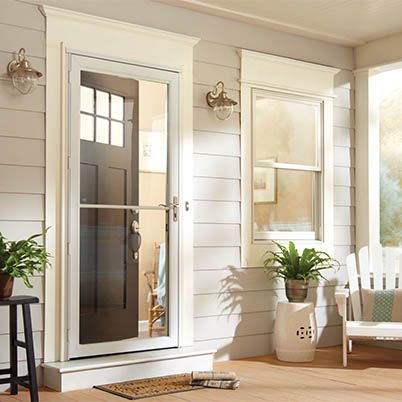
Want to enjoy fresh air indoors without dealing with annoying insects? A screen door is one of the easiest ways to keep your home comfortable while maintaining airflow. As the name suggests, a screen door features a mesh panel that allows air to pass through while blocking bugs.
Among the many options available, aluminum screen doors are known for their durability, weather resistance, and clear visibility. They perform especially well in busy entryways and areas exposed to wind.
However, with so many materials and styles available today, choosing the best screen door for your home can feel overwhelming. In this guide, we’ll explore the benefits, styles, and materials of screen doors so you can make a confident decision.
1. Benefits of Installing a Screen Door
Tired of constantly swatting mosquitoes or wishing your home had better airflow? Installing a screen door can solve both problems while also improving the look and functionality of your home.
A well-designed screen door allows fresh air to circulate, keeps pests outside, improves energy efficiency, and enhances curb appeal—all while maintaining comfort inside your home.
Why Install a Screen Door?
Improved Ventilation
There’s nothing quite like a cool breeze flowing through your home. Screen doors allow fresh outdoor air to enter your living space while keeping your home protected.
This natural airflow helps create a relaxing atmosphere and can make indoor spaces feel lighter and more refreshing.
Natural Pest Protection
One of the main purposes of a screen door is to keep insects outside where they belong. Fine mesh screens act as a barrier that prevents bugs, mosquitoes, and other pests from entering your home.
According to pest management experts, tightly woven mesh can block more than 90% of common household insects.
Lower Energy Costs
Screen doors can also help reduce your energy consumption. By allowing natural airflow and daylight into your home, you may rely less on fans and air conditioning.
During mild weather, opening your screen door can keep indoor spaces comfortable while lowering energy bills.
Added Security and Style
A properly installed screen door adds an extra layer of protection to your entryway. Metal or stainless steel screen doors, for example, can offer both ventilation and security.
In addition, screen doors come in many designs and finishes that complement the style of your home.
Increased Home Value
Screen doors are available in a wide range of colors, materials, and designs. A stylish entrance improves curb appeal and can even increase a home’s resale value.
Modern screen materials, such as charcoal or dark mesh, are designed to provide excellent visibility from the inside, making the screen almost invisible while still performing its function.
2. Common Screen Door Styles
A screen door not only allows fresh air into your home but also keeps insects out and adds character to your entrance. Choosing the wrong style, however, may reduce functionality.
Understanding the different types of screen doors will help you find the best fit for your home.
Popular screen door styles include hinged, retractable, pivot, and sliding doors. Each option offers unique advantages depending on your space and usage.
1. Traditional Hinged Screen Doors
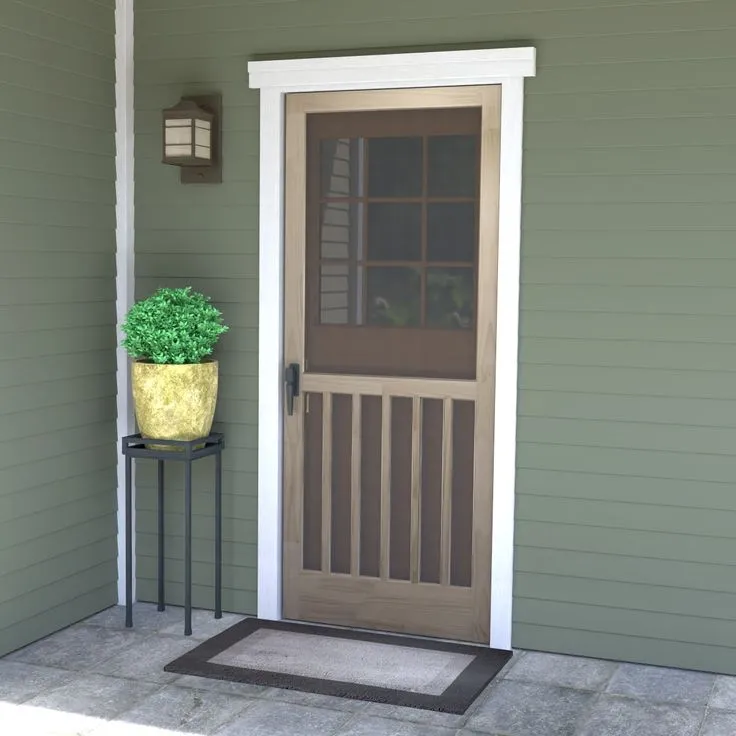
Hinged screen doors are the most classic and widely used option. They swing open like a traditional door and can be installed on most standard door frames.
These doors are affordable and simple to install. However, they require enough space for the door to swing outward and may slam shut in strong winds.
For many homeowners with traditional houses, hinged screen doors remain a reliable and timeless choice. Installing a hydraulic closer can help prevent loud slamming.
2. Retractable Screen Doors – Modern and Space Saving
Retractable screen doors are a sleek and modern solution. When not in use, the mesh rolls neatly into a side housing, making it almost invisible.
These systems are great for homeowners who want unobstructed views and a clean design. High-quality retractable screens can provide up to 95% visibility while still keeping insects outside.
Many premium models even retract automatically without requiring manual handling.
3. Pivot Screen Doors – Flexible and Stylish
Pivot screen doors rotate on a central hinge rather than traditional side hinges. This design allows the door to swing open up to 180 degrees, making it ideal for large entrances.
Their minimalist appearance works particularly well in contemporary homes. However, they may not be the best option for areas with strong winds where stability is important.
4. Sliding Screen Doors – Ideal for Patios
Sliding screen doors are commonly installed alongside patio doors or large glass doors. They glide along a track using rollers or spring systems.
Because they move horizontally, they don’t require additional swing space. Aluminum frames and smooth roller bearings make them easy to operate even in frequently used entryways.
These doors typically require around six inches of track space and may need occasional maintenance to keep the track clean.
Which Screen Door Style Is Best?
| Tipo | Best For | Pros | Cons |
|---|---|---|---|
|
Classic |
Traditional homes |
Affordable, easy installation |
Swings inward/outward |
|
Retractable |
Small entryways |
Space-saving, invisible |
Higher maintenance |
|
Pivoting |
Wide openings |
Unique aesthetic |
Limited weather sealing |
|
Sliding |
Patios/Decks |
Smooth operation |
Requires track cleaning |
Sliding screen doors are often a good choice for windy areas since they remain stable during use. Aluminum frames can also help reduce the risk of rust over time.
Ultimately, the right style depends on your home layout, climate, and personal preferences.
3. Screen Mesh Material Guide
People install screen doors for many different reasons. Some want better ventilation, while others need protection from insects or stronger materials that can withstand active households with children or pets.
Choosing the right mesh material is essential for long-term performance.
When evaluating screen materials, consider the following factors:
Durability against weather and daily use
Airflow and ventilation performance
Outdoor visibility
Ability to block insects effectively
Mesh density also plays an important role. The number of strands per inch determines how well the screen keeps insects out.
A common mesh size for screen doors is 18×16, meaning there are 18 strands per inch in one direction and 16 in the other. This configuration works well for balconies, patios, and general residential use.
A 20×20 mesh provides smaller openings and better protection against tiny insects.
Let’s explore the most common screen door materials.
I. Wood Screen Doors – Classic but Requires Maintenance

Wood screen doors provide a timeless look that complements traditional homes. They can be customized using different wood types and finishes.
Pros
Classic appearance
Strong structure
Adds warmth to traditional architecture
Cons
Requires regular maintenance
Susceptible to warping or rot without proper sealing
Wood screen doors are ideal for homes in mild climates where humidity and moisture are less of a concern. Regular sanding and refinishing can help maintain their appearance.
II. Glass Screen Doors (Tempered or Laminated)

Glass screen doors provide unobstructed views and strong protection against wind.
Pros
Clear outdoor visibility
Durable materials
Good insulation against drafts
Cons
Heavier than other options
Reduced airflow compared to mesh screens
Higher cost
These doors are commonly used for patios or in colder climates where maintaining indoor warmth is more important than ventilation.
III. Aluminum Screen Doors – Lightweight and Rust Resistant
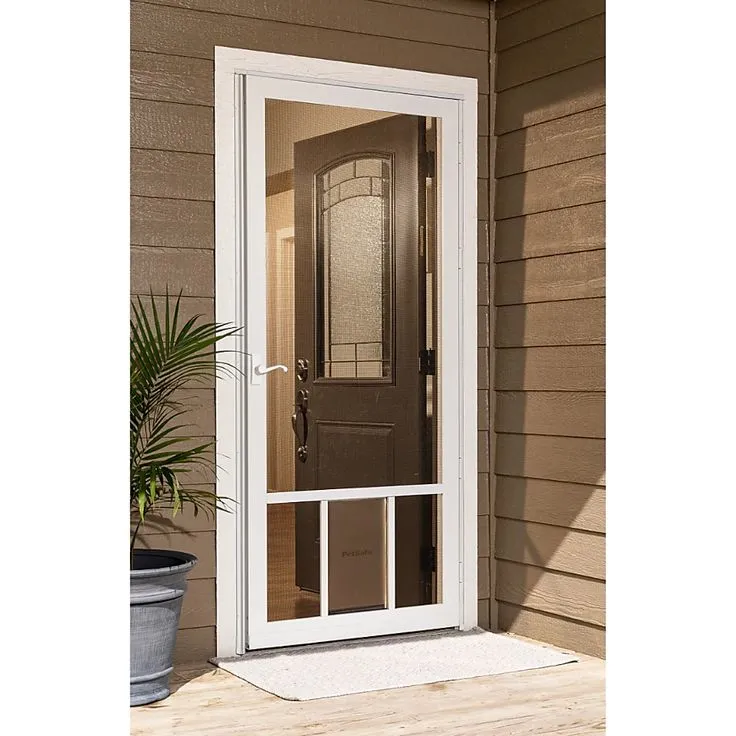
Aluminum is one of the most popular materials used in modern screen doors. It is lightweight, durable, and resistant to rust.
Aluminum mesh provides excellent durability while remaining easy to maintain. Special coatings help protect the material from corrosion and UV exposure.
Additional benefits include:
Reduced glare entering your home
Long lifespan even in high temperatures
Strong resistance to wind and outdoor conditions
Aluminum screen doors are particularly suitable for high-traffic areas or homes exposed to strong weather conditions.
Mesh colors typically include black, charcoal, and silver. Darker colors provide better visibility from inside the home.
Although aluminum screens may cost slightly more than some alternatives, they are widely considered one of the most reliable choices.
IV. Copper or Bronze Mesh – Premium Decorative Option

Copper and bronze screen materials offer a premium appearance and exceptional durability.
These metals resist corrosion caused by salty air, making them an excellent option for coastal environments.
Advantages
Unique decorative appearance
Long lifespan
Strong resistance to humidity and corrosion
Copper and bronze meshes often contain about 90% copper and 10% zinc, creating a distinctive finish that complements many architectural styles.
Over time, these materials develop a natural patina that adds character to historic or traditional homes.
However, these premium materials can be more expensive than aluminum options.
V. Stainless Steel Mesh – Maximum Strength and Security

Stainless steel is widely considered one of the strongest screen mesh materials available.
It provides excellent airflow, clear visibility, and long-term durability.
Benefits include:
Exceptional strength
High security
Long lifespan without corrosion
When combined with a secure locking system, stainless steel mesh can transform a screen door into a protective barrier while still allowing airflow.
This material is ideal for busy households or areas where security is a priority.
VI. Vinyl Screens – Low Maintenance

Vinyl screen doors can help regulate temperature in outdoor living areas such as patios or porches.
In warm climates, vinyl helps retain cool air, while in colder environments it can help keep warmth inside.
Because vinyl provides insulation benefits, it can reduce heating and cooling costs.
Vinyl screens are also easy to clean and provide a clear view of outdoor spaces. Many homeowners use them to protect patios from rain, snow, or wind.
VII. Fiberglass Screens – Affordable and Reliable

Fiberglass mesh is one of the most widely used materials for residential screen doors due to its affordability and versatility.
Advantages
Budget friendly
Easy installation
Flexible and durable
Fiberglass screens are resistant to corrosion, rust, and staining. They also provide excellent visibility, especially when using charcoal-colored mesh.
However, prolonged exposure to strong sunlight may cause the color to fade over time.
VIII. Polyester Screens – Ideal for Pet Owners
Polyester mesh is often used in pet-resistant screens due to its high strength and flexibility.
These screens are typically made from durable plastic materials such as PVC or polyethylene.
Key benefits include:
Strong resistance to scratching
Lightweight and flexible
UV and weather resistant
Polyester screens are easy to install and maintain. They also allow good airflow and natural light while preventing insects from entering.
For homes with pets, this type of screen is often the most practical option.
Final Tip from Hanse
To maximize durability, combine your chosen mesh with a strong frame made from aluminum, steel, or vinyl.
For long-term performance, consider tightly woven or pet-resistant mesh to provide stronger protection against pests and daily wear.
At Hanse, we believe that the right screen door can significantly improve your living environment by combining ventilation, comfort, and style.
Conclusión
Installing a screen door is one of the simplest ways to improve both comfort and functionality in your home. It allows cool fresh air to circulate indoors while preventing insects and pests from entering.
With the wide range of styles and materials available today, homeowners can easily find a screen door that matches their needs, climate, and design preferences.
Whether you prioritize durability, airflow, security, or aesthetics, choosing the right screen door material will help create a more comfortable and inviting living space.
