

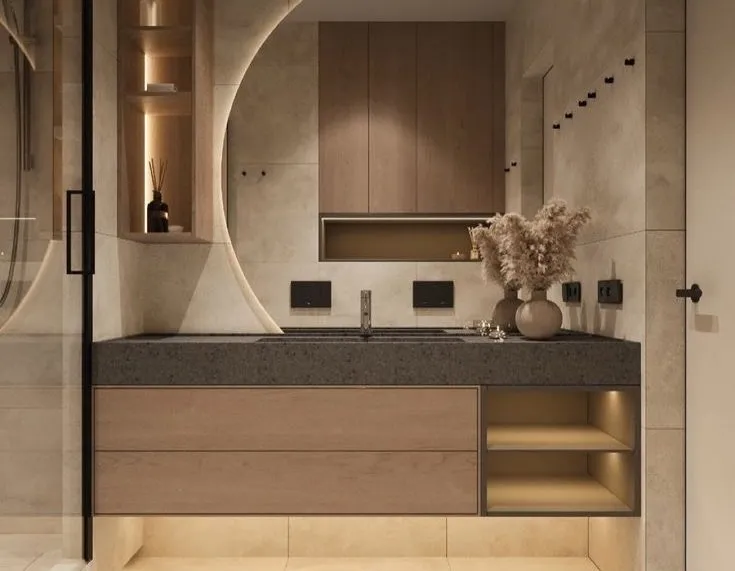
Have you ever noticed how the most comfortable homes often share one thing in common—beautiful interior details? From thoughtfully designed furniture to stylish lighting and functional bathroom fixtures, these elements work together to create a balanced and inviting living space.
Among these features, bathroom vanities play a particularly important role. They are not just functional units that support sinks and provide storage; they also help conceal exposed plumbing while adding style and personality to the bathroom.
One option that continues to gain popularity among homeowners is the wooden bathroom vanity. Known for its natural charm and timeless appeal, this type of vanity blends practicality with aesthetic value, making it a standout element in modern bathroom design.
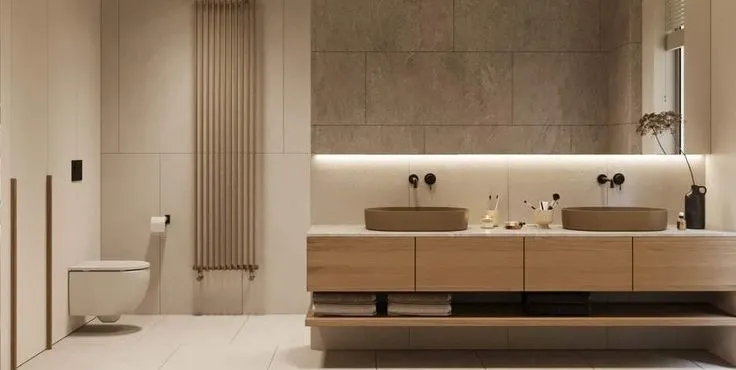
What Is a Wooden Bathroom Vanity?
A wooden bathroom vanity is essentially a cabinet structure that supports a sink while offering built-in storage space. These vanities are typically made from different types of wood, including hardwood, solid wood, and other engineered wood materials depending on the design and budget.
As a central fixture in the bathroom, a vanity usually includes several key components:
A countertop surface
One or two sinks
Cabinets or drawers for storage
Because they are crafted from wood, these vanities introduce warmth and natural texture into the room. The materials used give the space a visually appealing atmosphere while maintaining strong functionality.
Another reason wooden vanities are so popular is their versatility. They come in a wide range of sizes and can be customized to suit both compact bathrooms and spacious master suites. Over the years, this flexibility has made wooden bathroom vanities a preferred option for many homeowners.

The Rising Popularity of Hardwood Bathroom Vanities
One noticeable trend in modern bathroom design is the increasing use of hardwood materials in vanity construction. Homeowners are leaning toward natural materials that offer both durability and visual appeal.
Hardwood bathroom vanities combine the beauty of nature with impressive strength. Materials such as oak, maple, and teak work seamlessly in both traditional and contemporary interiors.
Another reason for their popularity is sustainability. Many hardwood materials are considered environmentally friendly and can support eco-conscious design choices.
These vanities also pair beautifully with premium countertop materials such as marble, quartz, and granite. The result is a striking combination of natural warmth and luxury finishes.
Let’s explore some of the standout benefits that make hardwood bathroom vanities so appealing.

Durability and Sophistication of Solid Wood Vanities
Solid wood bathroom vanities are well known for their durability. Compared to alternatives like MDF or particleboard, solid wood offers superior strength and longevity.
Choosing a solid wood vanity can be considered a long-term investment. These vanities are designed to withstand daily use and are less likely to experience significant wear and tear over time.
When properly sealed and installed, solid wood also adapts well to the temperature and humidity changes common in bathrooms.
Beyond durability, these vanities create a sense of luxury. A beautifully crafted wooden vanity instantly elevates the look of a bathroom and adds a refined atmosphere to the space.
They are also available in a variety of sizes. From a practical 48-inch double sink vanity to a spacious 72-inch bathroom vanity, homeowners can easily find a design that makes a strong visual statement.
Natural Beauty and Timeless Style
Wood has always been admired for its natural grain patterns and warm tones. These characteristics create a welcoming and comfortable atmosphere within a home.
Unlike many synthetic materials, wooden vanities rarely go out of style. Their classic appearance allows them to blend easily with other bathroom elements such as mirrors, lighting, and cabinetry.
Customization further enhances their timeless appeal. Some homeowners prefer to keep the wood in its natural finish, while others choose painted or stained surfaces to match their interior style.
Regardless of the approach, wooden bathroom vanities remain a versatile design feature that complements nearly any décor theme.
Moisture Resistance in Humid Environments
Bathrooms are constantly exposed to humidity, water splashes, and temperature changes. These conditions can quickly damage low-quality materials.
Fortunately, high-quality hardwood vanities are designed to handle these challenges. With proper sealing and finishing treatments, wooden vanities can resist common issues such as:
Warping
Swelling
Cracking
Certain woods perform particularly well in humid environments. Teak and oak, for example, naturally resist moisture and decay, making them excellent choices for bathroom furniture.
This resilience ensures long-term value while maintaining a stylish appearance.
Flexible Design Options for Any Bathroom
Another advantage of wooden bathroom vanities is their design flexibility.
For medium-sized bathrooms, a 48-inch double sink vanity offers a perfect balance between storage and functionality. It provides enough countertop space for daily routines while maintaining a compact footprint.
In contrast, larger bathrooms can benefit from expansive vanity units that offer more storage and dual sinks.
Wooden vanities also allow for a wide variety of custom details, including:
Different finishes and stains
Decorative trims
Unique hardware styles
These options make it easy to create a vanity that perfectly matches your personal taste.
Types of Wood Used in Bathroom Vanities
Several hardwood species are commonly used when building wooden bathroom vanities. Each type offers distinct characteristics that influence its performance and appearance.
Some of the most popular options include oak, maple, teak, and walnut.
Oak
Oak is one of the most widely used hardwood materials. It is known for its strength and resistance to everyday wear.
Its distinctive grain pattern adds character to bathroom furniture, making it a reliable and visually appealing choice.
Maple
Maple wood is valued for its smooth texture and lighter color tone. It provides a clean, modern look that works especially well in contemporary bathroom designs.
Because maple is dense and durable, it also performs well in humid environments.
Teak
Teak is often considered a premium wood option. Its natural oils make it highly resistant to water, mold, and decay.
For bathrooms located in humid climates, teak vanities are an excellent long-term solution.
Walnut
Walnut wood is known for its deep, rich color and luxurious appearance. It is frequently used in high-end vanity designs, including large double-sink units.
This wood adds a sense of sophistication while still offering impressive strength and durability.
Why Hardwood Vanities Are a Popular Choice
There are several reasons why homeowners prefer hardwood bathroom vanities over other materials.
First, hardwood materials are more resistant to common issues such as warping, cracking, and swelling. They also handle fluctuations in temperature and humidity much better than softer wood alternatives.
Additionally, hardwood vanities offer:
Long-term durability
Strong structural integrity
Natural beauty and elegance
Eco-friendly material options
Because of these advantages, wooden vanities are often viewed as both a functional fixture and a stylish investment.
Common Sizes for Wooden Bathroom Vanities
Wooden bathroom vanities are available in many different sizes to accommodate various bathroom layouts.
Choosing the right size depends largely on the available space and how the bathroom will be used.
48-Inch Double Sink Vanity
A 48-inch double sink vanity is an excellent option for shared bathrooms or couples’ spaces.
This size offers:
Dual sinks for convenience
Adequate countertop space
Multiple drawers and cabinets for storage
It is particularly well suited for medium-sized bathrooms where functionality and style need to coexist.
72-Inch Bathroom Vanity
For large bathrooms, a 72-inch vanity creates a luxurious focal point.
These spacious units usually feature double sinks and extensive storage areas. The larger size allows homeowners to keep toiletries, towels, and accessories well organized.
Because they are often made from durable hardwood materials, these vanities also deliver excellent long-term performance.
Custom Designs for Smaller Bathrooms
Compact bathrooms may require more tailored vanity solutions.
Custom vanities allow homeowners to maximize space while maintaining functionality. Features such as slim countertops, pull-out drawers, and built-in shelving can help improve storage efficiency in smaller rooms.
These customized designs ensure that even limited spaces can benefit from the beauty and practicality of wooden bathroom furniture.
Заключительные размышления
A wooden bathroom vanity is more than just a functional fixture. It plays a major role in enhancing the comfort and appearance of your bathroom.
Choosing high-quality materials and ensuring proper installation can significantly extend the lifespan of your vanity. Partnering with a trusted manufacturer also helps ensure that you receive products built with durability and craftsmanship in mind.
На сайте Ганза, we specialize in providing comprehensive solutions for modern home interiors. Our expertise extends beyond manufacturing—we also help customers understand the best materials and designs for their specific needs.
With more than a decade of experience, our team is committed to delivering high-quality products and dependable service to clients around the world.
If you are planning to upgrade your bathroom space, Ганза can help you find the ideal wooden bathroom vanity to match your style and functionality requirements.
